
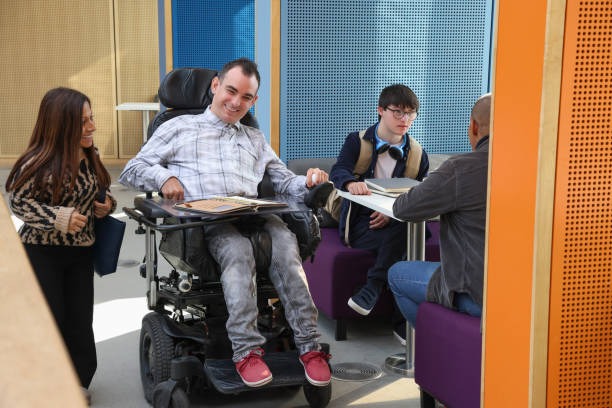
Cerebral palsy (CP) is a neurological condition that affects movement, muscle tone, and posture. While there is no cure, a variety of cerebral palsy treatments exist to improve physical function, enhance independence, and support overall quality of life. These treatments can be tailored to the needs of each individual, depending on the type and severity of cerebral palsy. Understanding the range of available therapies and interventions helps families, caregivers, and healthcare professionals create comprehensive care plans that address both physical and emotional well-being.
Physical Therapy and Mobility Support
Physical therapy is often the cornerstone of cerebral palsy treatments. It focuses on improving strength, balance, flexibility, and coordination, helping individuals achieve greater independence in daily activities. A physical therapist works with patients to develop personalized exercise routines, stretching programs, and movement strategies.
For children and adults with cerebral palsy, mobility aids like walkers, braces, or wheelchairs may complement physical therapy. These tools not only enhance safety and mobility but also allow individuals to participate more fully in school, work, and social activities. When used in combination with consistent therapy, these interventions contribute to better functional outcomes and improved quality of life.
Occupational Therapy
Occupational therapy is another critical component of cerebral palsy treatments. Occupational therapists help individuals develop the skills needed for daily living, including dressing, eating, and personal hygiene. They may recommend adaptive equipment, seating modifications, or specialized utensils to make tasks easier.
By addressing these practical challenges, occupational therapy empowers individuals with cerebral palsy to be more independent, reducing reliance on caregivers and improving confidence. The therapy also often includes sensory and fine motor skill development, which can enhance academic performance, social participation, and emotional well-being.
Speech and Communication Therapy
Some individuals with cerebral palsy experience difficulties with speech, language, or swallowing. Speech and communication therapy, part of the broader spectrum of cerebral palsy treatments, addresses these challenges. Speech-language pathologists work to improve articulation, enhance communication skills, and, when necessary, introduce augmentative and alternative communication (AAC) devices such as speech-generating devices or communication boards.
Effective communication significantly contributes to quality of life. It enables individuals to express needs, participate socially, and engage in educational or professional activities. Early intervention in speech therapy often leads to better long-term outcomes and greater social inclusion.
Medical Interventions
Medical treatments are an essential aspect of comprehensive care for cerebral palsy. These cerebral palsy treatments can include medications to manage spasticity, muscle stiffness, or seizures. Common medications include muscle relaxants like baclofen or botulinum toxin injections to reduce spasticity and improve mobility.
In some cases, orthopedic surgeries or selective dorsal rhizotomy may be recommended to correct joint deformities, reduce pain, or improve function. These procedures, combined with rehabilitation therapies, can enhance mobility and overall comfort, contributing to a higher quality of life for both children and adults with cerebral palsy.
Assistive Technology and Adaptive Equipment
Assistive technology is a vital part of many cerebral palsy treatments, supporting independence and functional abilities. Mobility aids, communication devices, adaptive seating, and customized orthotics all help individuals engage in daily activities with greater ease and safety.
For example, powered wheelchairs can expand community participation, while computer access with specialized interfaces can support learning and employment opportunities. By incorporating assistive technology into care plans, families and therapists can maximize physical function and social engagement, creating a more inclusive environment.
Recreational and Therapeutic Activities
Recreational and therapeutic activities, such as swimming, horseback riding (hippotherapy), yoga, or adapted sports, play an important role in enhancing quality of life. These activities are often part of cerebral palsy treatments because they improve cardiovascular health, flexibility, and coordination while offering social interaction and enjoyment.
Participating in recreational programs fosters confidence, emotional well-being, and a sense of accomplishment. It also allows individuals with cerebral palsy to explore interests and build friendships, contributing to a more balanced and fulfilling life.
Family and Community Support
Cerebral palsy treatments are most effective when families and communities are involved in care. Support groups, counseling, and education programs help caregivers learn strategies for daily care, promote mental health, and connect with others facing similar challenges.
By integrating therapy, medical interventions, assistive technology, and family support, cerebral palsy treatments create a comprehensive approach that addresses both physical function and emotional well-being. This holistic strategy ensures that individuals with cerebral palsy can achieve the highest possible level of independence and life satisfaction.
Conclusion
A wide range of cerebral palsy treatments exists to support physical function, communication, and quality of life. Physical therapy, occupational therapy, speech therapy, medical interventions, assistive technology, and recreational activities all play critical roles in addressing the challenges associated with cerebral palsy.
By tailoring these treatments to each individual’s needs, families and healthcare professionals can create a coordinated care plan that maximizes mobility, independence, and social participation. Early intervention, consistent therapy, and ongoing support are key to helping individuals with cerebral palsy live fulfilling and active lives. With comprehensive care, these treatments not only improve physical abilities but also enhance emotional well-being, confidence, and overall quality of life.